
Metabolomics
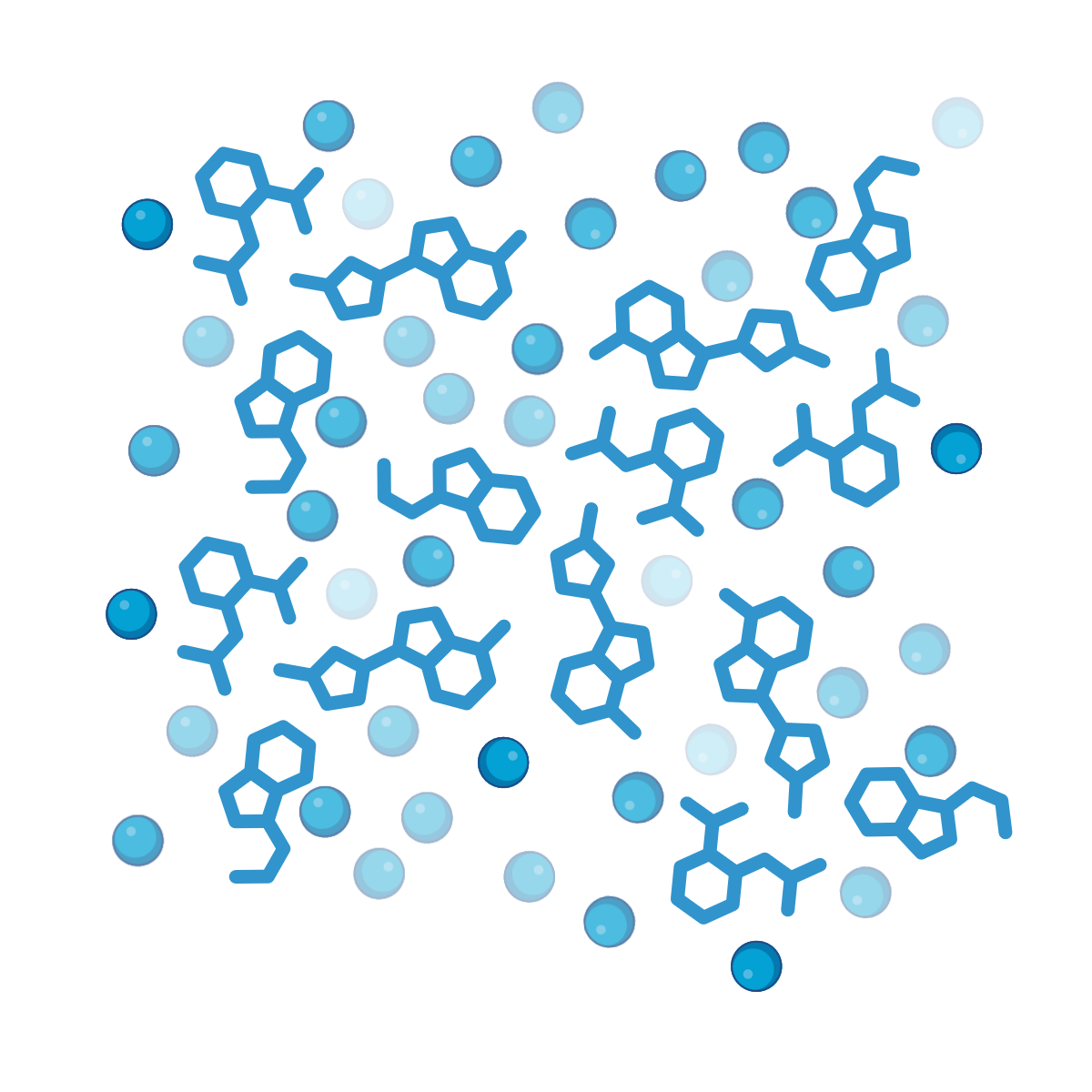
We have developed advanced mass spectrometry and multidimensional chromatography methods for both targeted and non-targeted metabolite analysis. Sample preparation protocols were optimized and the measurement platforms achieve high metabolite coverage and sensitivity, enabling the comprehensive profiling of small molecules in diverse biological samples. The implementation of 13C-isotopically labelled biomass extracts as internal standards significantly enhance the standardization and throughput of quantitative metabolomics, providing robust datasets.
Lipidomics
The comprehensive lipidomics toolbox integrates advanced mass spectrometry, standardized workflows, and computational resources to drive both methodological innovation and biomedical discovery in lipidomics. Advanced experimental protocols enable the sensitive, reproducible, and high-throughput lipid profiling in complex biological samples. These workflows are designed for both discovery and targeted applications, including the study of lipid signalling in blood coagulation and disease contexts. We have developed LipidCreator, a software that accelerates both qualitative and quantitative lipid characterization, supporting clinical and fundamental research by streamlining the identification and quantification of lipid species.
We have established a specialized glycolipidomic workflow focused on overcoming the analytical challenges posed by the structural diversity and amphiphilic nature of glycolipids, such as gangliosides and glycosyl inositol phospho-ceramides. We use advanced high-resolution mass spectrometry and liquid chromatography methods tailored specifically for glycolipid analysis, which are not well addressed by conventional glycomics or lipidomics methods due to the lack of standards, suitable sample preparation strategies, and automated annotation software.


Proteomics
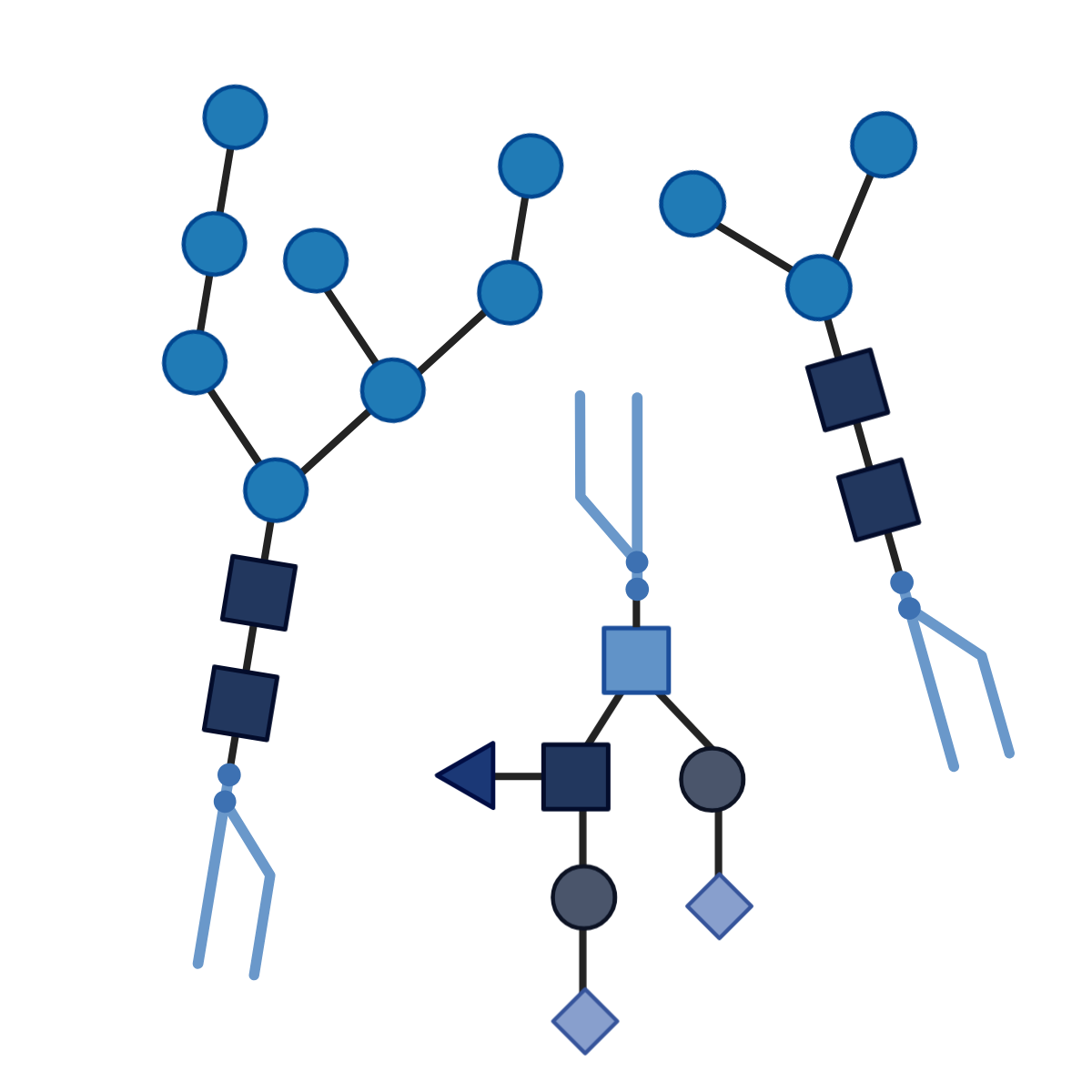
We have established a comprehensive proteomics toolbox that leverages advanced mass spectrometry and separation technologies to investigate protein expression, modification, and function across a range of biological and clinical contexts. We specialize in quantitative proteome profiling, relying on label-free quantification using both data dependent and data independent analysis types to map proteome dynamics in diverse cell types and tissues. The entire workflow was optimized to provide robust results for proteome profiling and phosphoproteomics, enabling the identification of cell type-specific protein signatures, the classification of cellular phenotypes, including drug resistance in cancer cells and inflammatory mechanisms in immune and endothelial cells.
Chemoproteomics
We have developed robust proteomic and chemoproteomic approaches to elucidate the molecular mechanisms and protein targets of investigative drugs, especially covalent inhibitors and modifiers. Specifically, affinity-based and label-free chemoproteomic strategies enable the identification and quantification of drug–protein interactions directly in cellular systems. This includes dose-dependent and time-resolved chemoproteomic profiling to deconvolute potential polypharmacology

Genomics & Epigenomics
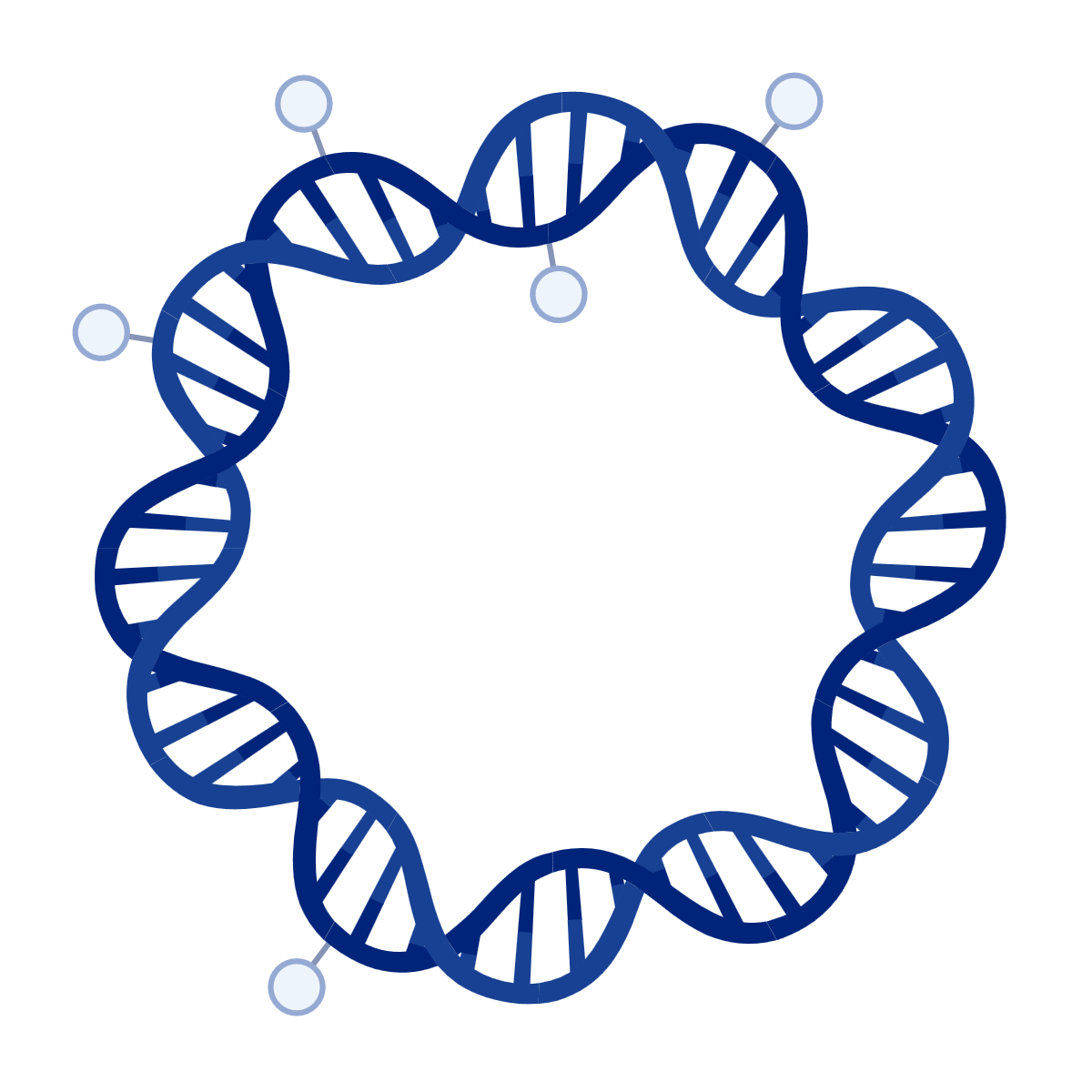
We employ state-of-the-art sequencing technologies and integrative computational frameworks to characterize genomic variation and the regulatory landscapes that shape cellular function. High-quality DNA and chromatin workflows enable precise detection of genetic variants, chromatin accessibility, transcription factor binding, and DNA methylation patterns across diverse sample types. These approaches support both discovery-driven and targeted analyses, providing a detailed view of how genetic information and epigenetic mechanisms interact to control gene expression. By harmonizing experimental and bioinformatic pipelines, we generate robust, high-resolution datasets that advance our understanding of genome organization, regulatory dynamics, and their roles in health and disease.
Metallomics
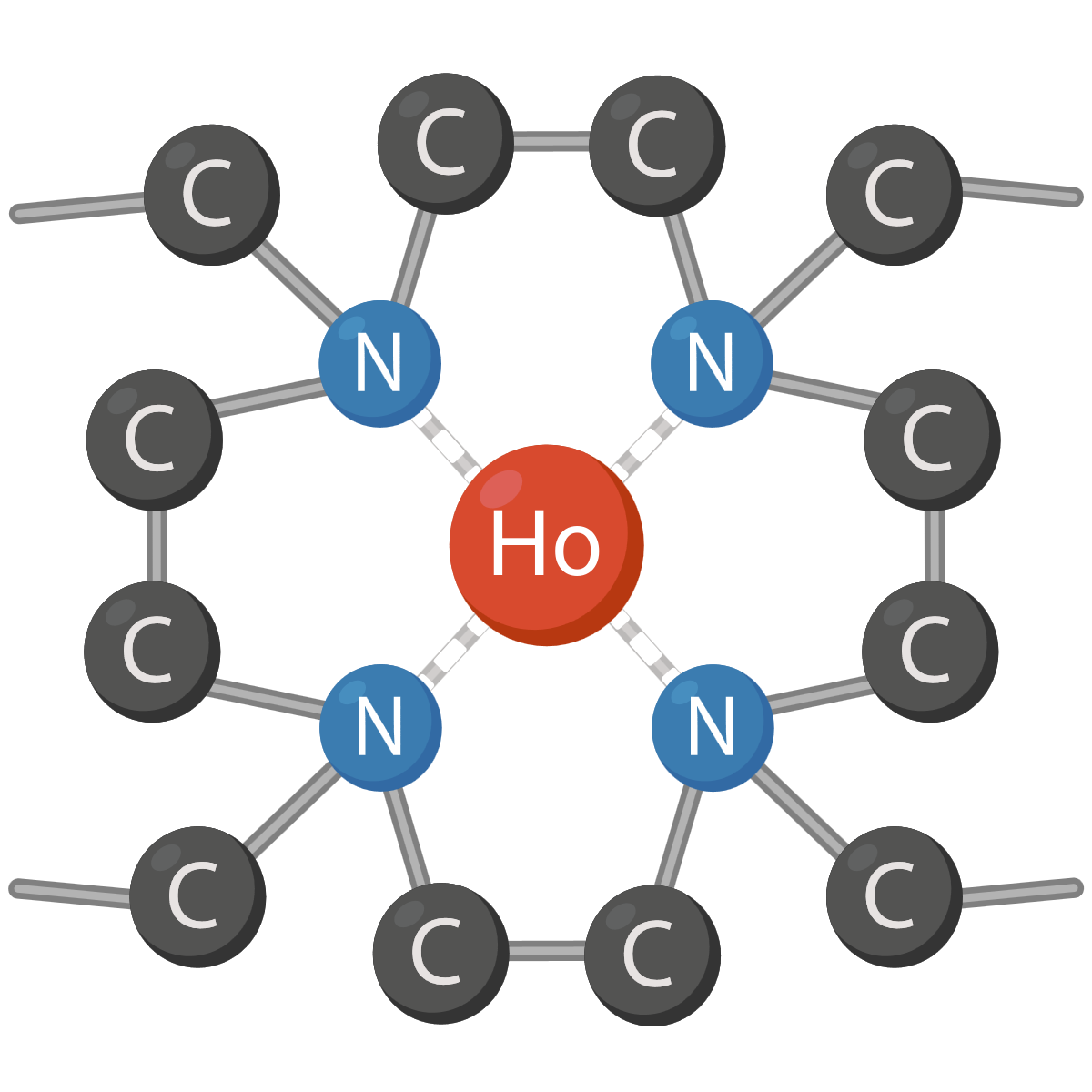
We develop and apply advanced, quantitative mass spectrometry-based methods to investigate the identity, distribution, and dynamics of metals and metalloproteins in biological and environmental systems. Especially, inductively coupled plasma mass spectrometry enables the accurate, robust, and traceable quantification of (ultra)trace elements and metalloproteins. We provide high-resolution imaging of elemental distributions in biological samples and have pioneered workflows for spatial single-cell metallomics.
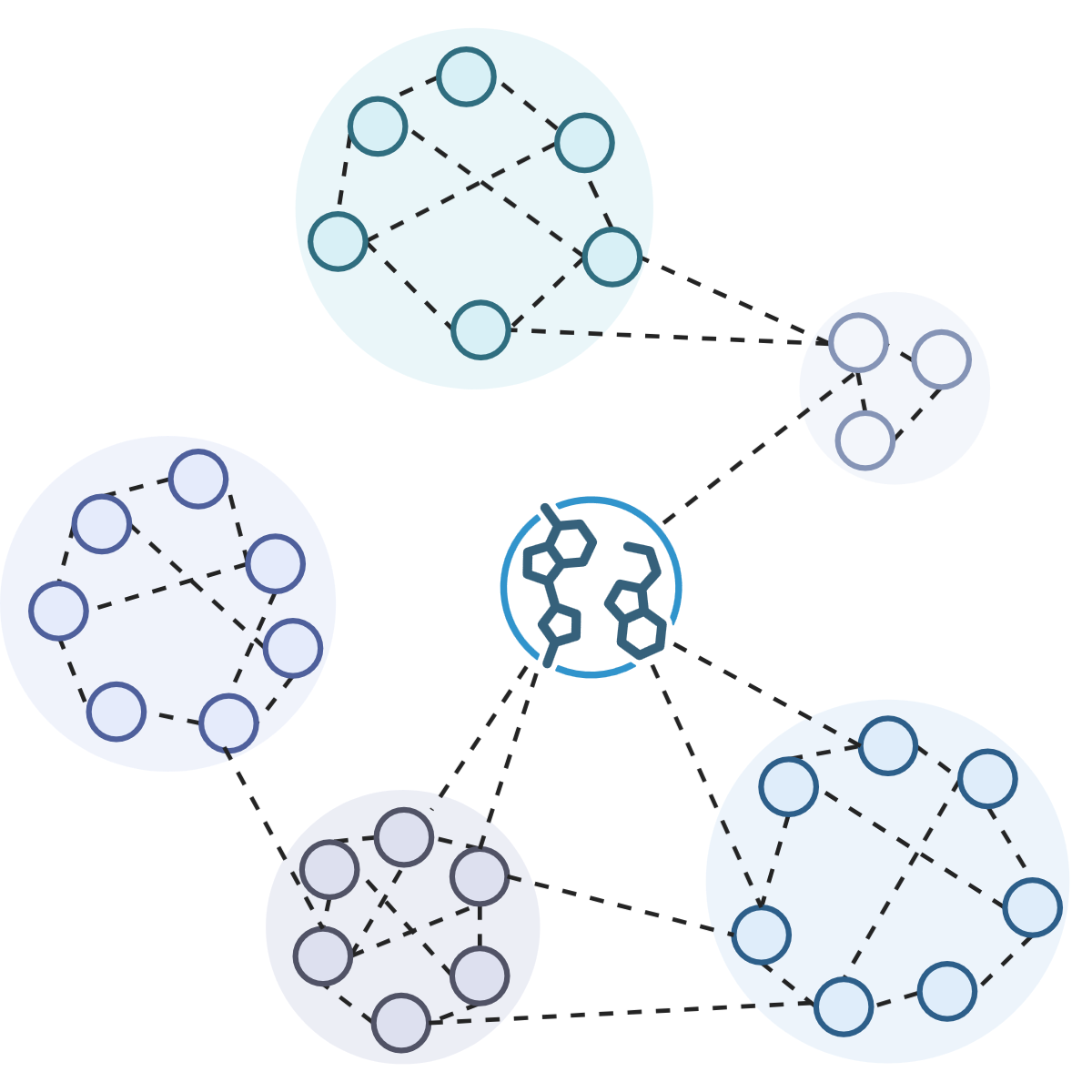
Bioinformatics & Computational Biochemistry
Our bioinformatic approaches use a suite of computational tools and frameworks designed for the analysis and modeling of complex biological systems. These approaches facilitate the interpretation of high-dimensional datasets and support the investigation of metabolic and biochemical processes at multiple scales. By combining computational chemistry and systems biology methods, we can uncover mechanistic insights into molecular function and interactions.
A specific focus lies on the analysis of network topology and constraint-based modeling. We develop tools for quantifying the structural robustness of metabolic networks, which allow for the rigorous assessment of a network’s ability to withstand random reaction or gene knockouts. This provides a reliable measure of functional redundancy and resilience in genome-scale metabolic models, enabling a deeper understanding of system-level organization and adaptability.
Computational multiomics builds upon our expertise in lipidomics, proteomics, and bioinformatics to combine and interpret complex datasets across multiple molecular layers. This newly developed branch focuses on integrating lipidomics, proteomics, and metabolomics data, enabling us to identify and understand interactions within cellular systems and biochemical networks. By harmonizing these datasets, computational multiomics facilitates systems-level analyses and the discovery of novel molecular relationships.